A guide from Nokhouse .
Fueled by the success of countless design sprints, learn about the process and tools I use for every project to stay aligned and on track. Experience a seamless transition from discovery to delivery through my four-step process:
Design for profit, not just growth.
Your engagement from inception to completion is pivotal. I value your insights and feedback at every stage, leveraging your expertise to fully understand your business and growth hurdles. I foster a collaborative journey, fueled by a strong partnership.
1. Discovery .

Alignment & Collaboration .
Through in-depth discovery, I uncover insights, shape brands, websites, and products, aligning goals and metrics for success.
User Empathy .
- Who is your audience and what do they need?
- What challenges do they facing that you are capable of addressing?
- How can I help with your unique selling proposition to customers?
Competitive/Market Analysis .
- What is the industry standard for your line of business?
- What sets your business apart from the competition?
- What challenges do they facing that you are capable of addressing?
2. Workshop .

Preparation for Design Sprints .
Through workshops and thoughtful preparation, I prepare the necessary groundwork for the creative and problem-solving aspects of the design process.
Team Alignment .
- Are all designers, managers, developers, and other stakeholders aligned on project goals and expectations?
- Clearly define the objectives of each design sprint.
Requirements Gathering .
- What are the right tools and software needed for the project?
- Establish collaborative channels for communication.
- Set up the physical or virtual environment for design sprints.
3. Sprint .
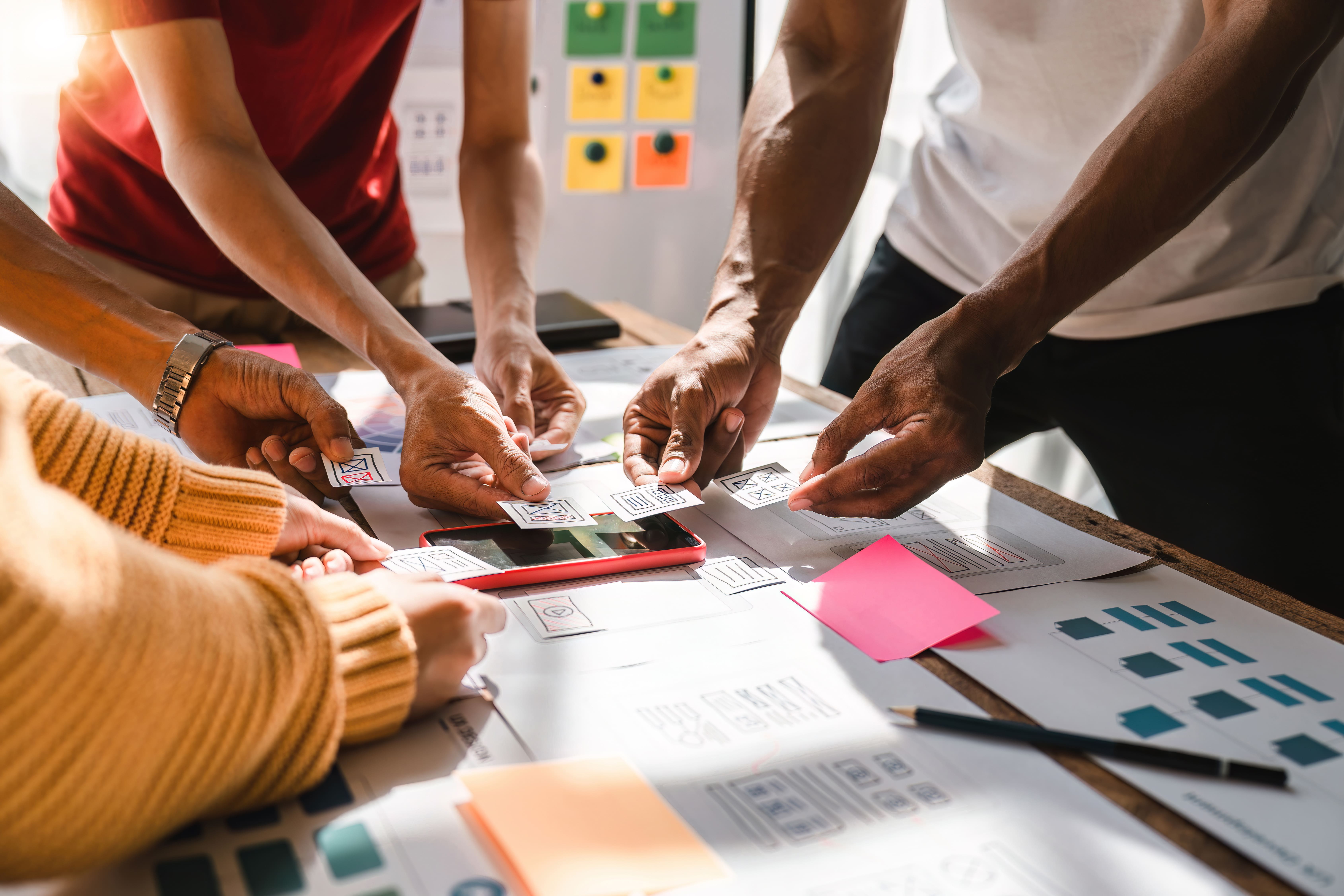
Design & Validation .
Effective for rapidly exploring ideas, and validating assumptions. Sprints condense what might take weeks or months into a focused and collaborative week.
Visual Design & Prototype .
- Create a style guide and design system.
- Create low-fidelity to high-fidelity prototype of the chosen solution.
- How can I help with your unique selling proposition to customers?
Qualitative & Quantitative Testing .
- Plan the user testing process for the final prototype.
- Conduct user testing sessions with real users.
- Identify key insights and areas for improvement.
4. Review .
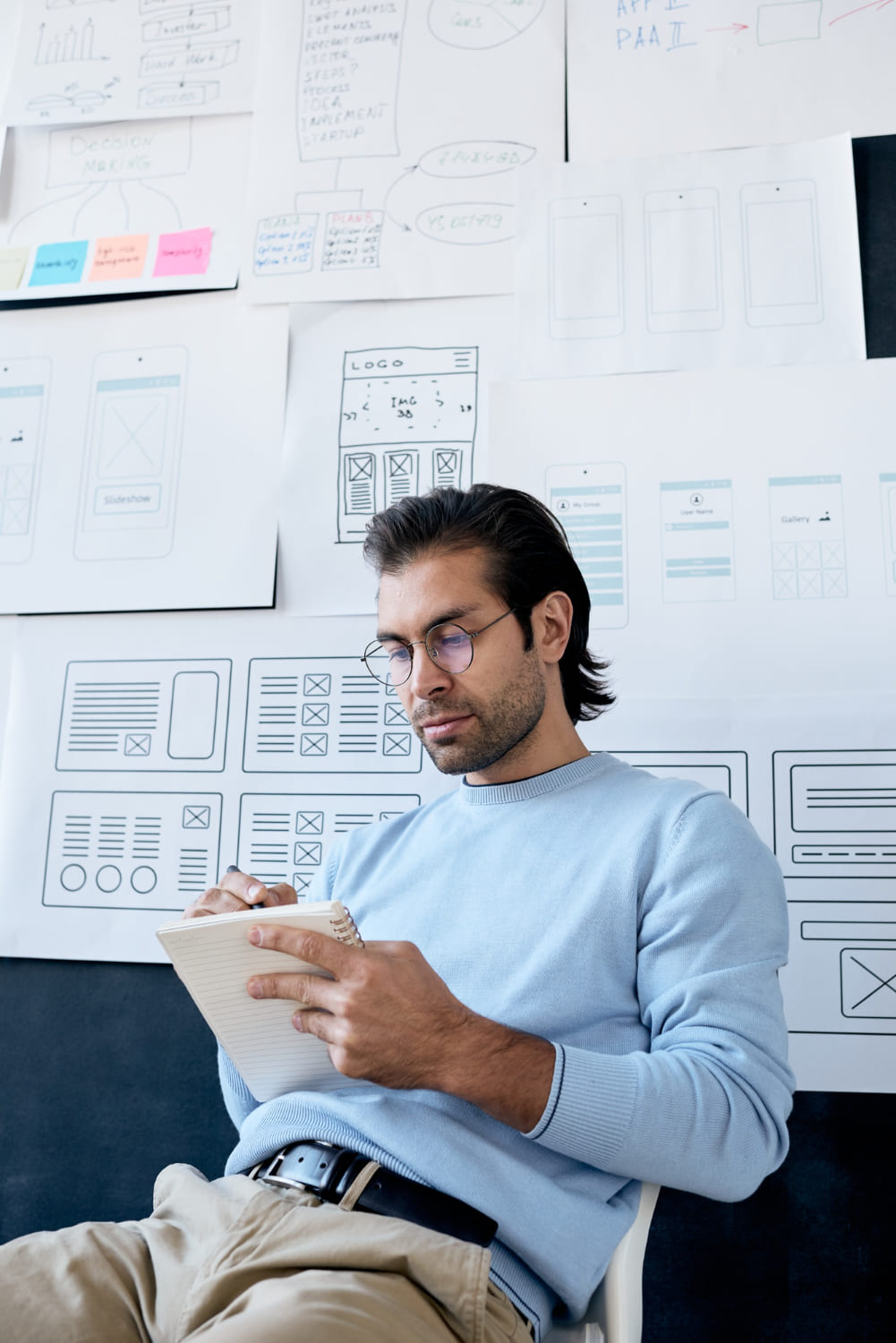
Feedback & Documentation .
Through workshops and thoughtful preparation, I prepare the necessary groundwork for the creative and problem-solving aspects of the design process.
Design QA .
- Design QA to ensure the implemented design functions as intended.
- Communicate with developers to address any challenges.
Continuous Improvement .
- Establish feedback loops for continuous improvement.
- Collect user feedback, monitor analytics, and iterate on the design.
- Use data-driven insights to inform ongoing design decisions.
Weekly Sprint and Workflow
My approach allows me to rapidly progress from understanding a problem to prototyping and testing a potential solutions.